Where the Exposure Changes
A real vehicle schedule covers more than the company fleet and should describe actual business use.
An account manager rents a vehicle for a temporary site and another employee uses their own vehicle for a shift.
Compare covered auto symbols, who is insured, hired and non-owned arrangements and physical damage terms.
Read the Form and Endorsements Together
Locate the named insured, policy period, listed locations and operations, where relevant. Then review insuring agreements, key definitions, exclusions, conditions and all relevant endorsements. In layered programs, keep a copy of each policy and map the underlying references to the forms and amounts actually in force.
Bring the versions in force when the work occurred. A current service schedule or policy may differ from the one that applies to the event being reviewed. Record which party owns each document, who may receive it and whether the question concerns a contract obligation or actual insurance.
Insurance and Related Review Topics
- Mobile Patrol & Security Vehicles. Mobile patrol creates worker driving exposure, vehicle liability and disputes over service completion.
- Workers' Compensation for Security Companies. Payroll classifications, states worked and duties drive the workers’ compensation review.
- Armored Transportation Insurance Considerations. Vehicle liability and custody of other people's property deserve separate insurance reviews.
Reconcile Auto Ownership, Driver Status and Use
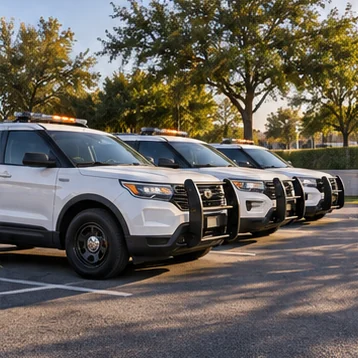
Build a schedule of company, employee, leased and hired autos used for business. Identify recurring patrol work, vehicles assigned to contracts or taken home and employees who drive without appearing on the regular rotation. Ask about use outside the usual territory and about vehicles borrowed from customers or other contractors.
Covered auto symbols and the who-is-an-insured language shape the liability review. Check hired and non-owned terms and distinguish liability to others from physical damage to an auto. An employer’s coverage and any available coverage for the employee need separate review when the worker uses a personal vehicle.
Keep the vehicle schedule, lease or rental agreements and the company’s authorized-use records current. Include ownership changes and vehicles deployed to temporary projects. Compare claims scenarios by ownership and use so that the company can identify missing facts before renewal.
Hypothetical Example
Review registration, rental agreement, business purpose and authorization when the reported vehicle differs from the usual fleet.
This example illustrates a review decision. It makes no conclusion about insurance or liability in any real claim.
What to Gather for the Review
Compile the information that matches this operation or decision.
- Ownership
- annual mileage
- uses
- drivers
- leases
- contracts
- loss runs and client or employee-owned autos
Identify which entity or party owns each obligation and verify dates, versions and unresolved requests before the review.
Frequently Asked Questions
Would the form apply to a rented vehicle or an employee’s own vehicle on company business, and who is insured?
Compare covered auto symbols, who is insured, hired and non-owned arrangements and physical damage terms. Bring the relevant documents to your insurance discussion and identify any missing terms or facts before relying on a conclusion.
Can a certificate answer this coverage question?
A certificate summarizes insurance information. Compare the facts and contract requirements with the issued policy and endorsements for the requested coverage, insured status, sublimits and conditions.