
Where the Exposure Changes
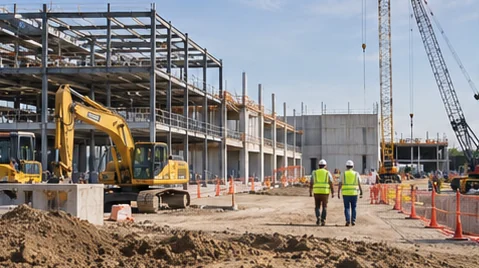
Construction posts can involve changing site boundaries, vehicle exposure and disputes about responsibility for equipment losses.
A general contractor extends patrol to a separate equipment staging yard without revising the agreement.
Add the yard and its hours to the scope and state who retains custody of tools, materials and equipment.
Connect Site Conditions With the Service Agreement
Start with the client’s operations and then separate the duties the security company has accepted. The client may retain control of its property, staffing and internal decisions even when it delegates access or reporting work. Preserve the authority trail for changes that could alter the assignment, insurance submission or potential liability.
Bring the versions in force when the work occurred. A current service schedule or policy may differ from the one that applies to the event being reviewed. Record which party owns each document, who may receive it and whether the question concerns a contract obligation or actual insurance.
Insurance and Related Review Topics
- Employee Dishonesty, Crime & Fidelity. Crime policies and customer-required fidelity protection may insure different parties and types of loss.
- Commercial Auto & Security Patrol Vehicles. A real vehicle schedule covers more than the company fleet and should describe actual business use.
- Security Service Contracts & Risk Transfer. An insurance review of a security contract starts with actual duties, parties and locations.
Identify What the Project Owner Expects the Contractor to Protect
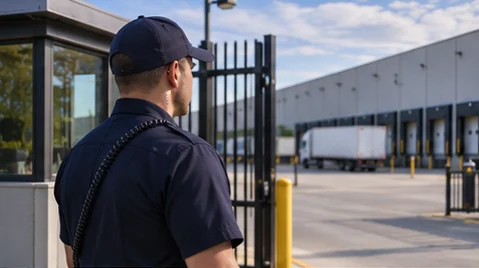
The owner or general contractor may have a separate property policy or equipment program. Ask who is responsible for materials awaiting installation, subcontractor equipment, rented machinery and items kept in offsite areas. Insurance for the owner’s property and liability alleged against the guard company belong in different parts of the review. Use the actual schedule and relevant insurance provisions before accepting responsibility for a stated equipment value.
As the project changes phases, the guard may work around different trades, entrances and vehicle activity. Keep a record of site changes that affect who controls a location and how work is coordinated with the general contractor. Document which changes appear in amended agreements and which are still being discussed.
Before contract renewal or reassignment, check whether the client's requests changed after equipment arrived or when substantial completion changed which party controls the site. Discuss protective duties, indemnification and evidence requirements with counsel and the broker using that timeline.
Hypothetical Example
After a reported theft, compare dates, site boundaries and the contract with custody and loss reports.
This example illustrates a review decision. It makes no conclusion about insurance or liability in any real claim.
What to Gather for the Review
Compile the information that matches this operation or decision.
- Project phases
- storage locations
- equipment values
- vehicle use and responsibility for after-hours access
Identify which entity or party owns each obligation and verify dates, versions and unresolved requests before the review.
Frequently Asked Questions
Does the security contract make the guard firm responsible for property otherwise insured by the project or owner?
Add the yard and its hours to the scope and state who retains custody of tools, materials and equipment. Bring the relevant documents to your insurance discussion and identify any missing terms or facts before relying on a conclusion.
Does this type of facility require its own insurance program?
The answer depends on the actual services, the contract and the issued policy. A contractor may need to review coverage forms and endorsements before taking on duties different from those described to the insurer. The setting alone cannot establish eligibility or coverage.