

Where the Exposure Changes
Monitoring raises questions about response commitments, account handoff and the financial consequences of service interruption.
A customer changes a contact list, but the contracted monitoring chain receives conflicting records.
Maintain dated approvals and a clear handoff between installer, monitoring center and client.
Name the Actual Services
Book the operational review by work type. Separate work performed by employees from work assigned to subcontractors. A contract label alone rarely resolves who supplied the service, where it took place or which policy description a claim will be measured against.
Bring the versions in force when the work occurred. A current service schedule or policy may differ from the one that applies to the event being reviewed. Record which party owns each document, who may receive it and whether the question concerns a contract obligation or actual insurance.
Insurance and Related Review Topics
- Professional Liability & Errors and Omissions. A professional liability review starts with the work that could produce a claim for negligent service or economic loss.
- Cyber Liability & Data Privacy. Security vendors may process visitor logs, private reports and client credentials as part of their services.
- Security Service Contracts & Risk Transfer. An insurance review of a security contract starts with actual duties, parties and locations.
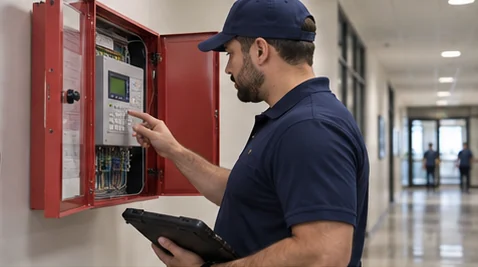
Read the Monitoring Agreement Beside the Customer Workflow
Write down which organization receives signals, maintains account instructions, sends notices and manages interruptions. The installer might maintain equipment while a separate company handles monitoring. Gather the customer agreement and relevant service-provider contracts, including contact change procedures and which party owns the records.
A client may request guarantees around response times or claim that delayed notice caused a consequential loss. Review the actual terms with counsel, then ask the broker to locate coverage for monitoring and notification duties and compare related cyber and interruption terms. Pay attention to insured services, dependent vendors, notice requirements and limitations on amounts owed by contract.
Test the document trail for a change in customer ownership or billing contact. Confirm who requested the change, who approved it and when instructions became effective. Preserve the dates and affected service scope if a claim is alleged later.
Hypothetical Example
A complaint concerns a delayed notification during a vendor outage. Preserve timing, assignments and changes to account instructions without disclosing sensitive details.
This example illustrates a review decision. It makes no conclusion about insurance or liability in any real claim.
What to Gather for the Review
Compile the information that matches this operation or decision.
- Monitoring responsibilities
- contracts
- third-party centers
- interface dependencies and service records
Identify which entity or party owns each obligation and verify dates, versions and unresolved requests before the review.
Frequently Asked Questions
Do the terms include monitoring activity and address interruption at a dependent service provider?
Maintain dated approvals and a clear handoff between installer, monitoring center and client. Bring the relevant documents to your insurance discussion and identify any missing terms or facts before relying on a conclusion.
How should we describe the assignment to an insurer?
Use the actual legal entities, dates, jobsite categories and services performed. Include routine and exceptional assignments and explain which tasks are performed by others. Verify agreement terms before sending the submission.