Where the Exposure Changes
Commercial general liability warrants review for allegations of third-party bodily injury, property damage and personal and advertising injury.
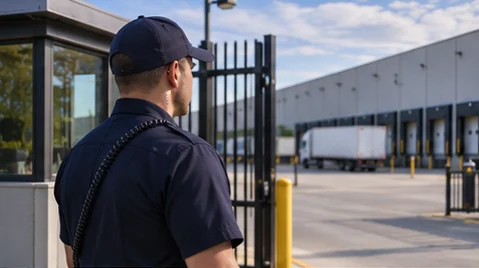
A client tenders a suit alleging a guard failed to protect a visitor from a third-party assault.
Read the insuring agreements, insured definitions and assault, professional services and firearms provisions together.
Read the Form and Endorsements Together
Locate the named insured, policy period, listed locations and operations, where relevant. Then review insuring agreements, key definitions, exclusions, conditions and all relevant endorsements. In layered programs, keep a copy of each policy and map the underlying references to the forms and amounts actually in force.
Bring the versions in force when the work occurred. A current service schedule or policy may differ from the one that applies to the event being reviewed. Record which party owns each document, who may receive it and whether the question concerns a contract obligation or actual insurance.
Insurance and Related Review Topics
- Assault & Battery Insurance Considerations. A claim can allege direct conduct, negligent security, failure to protect or negligent hiring and supervision.
- Professional Liability & Errors and Omissions. A professional liability review starts with the work that could produce a claim for negligent service or economic loss.
- Certificates, Additional Insureds & Indemnification. A certificate provides evidence of insurance. The policy and endorsements determine insured status and operative terms.

Review What the Policy Actually Insures
Third-party bodily injury and property damage are common reasons to review general liability. The insured entity, policy period, facts and relevant insuring agreement still matter. Consider how the policy describes premises and operations, what it says about contractual liability, and whether any endorsement changes the scope of the coverage grant.
An obligation to indemnify a customer and insurance for an alleged loss require separate analysis. Compare the signed contract with the applicable definitions, conditions and exclusions before assuming the policy will pay an amount the company agreed to bear. Refer contract interpretation to counsel.
For a security firm, reviews often focus on wording involving assault or battery, firearms, professional services, property in the contractor’s custody, employee injuries and automobiles. Locate the actual endorsement and evaluate how broadly it uses phrases about claims arising out of an excluded event. A related professional liability policy may have a different trigger and different definitions. Keep a record of potential overlaps and gaps.
When the customer requests a full copy of an endorsement, identify the right entity, dates and contract before providing evidence. Escalate requests to certify compliance where policy and contract wording differ. A proposed change to insurance evidence should be reviewed with the broker.
Work Through a Claim and Renewal Scenario
Suppose a guard contractor’s customer submits a complaint after damage to a visitor’s property and alleges that security personnel mishandled a transaction. Separate the allegation about property damage from any allegation about custody, professional services or the scope of the third party’s authority. Review the customer’s demand, dates and insured entities against the actual policy package. Preserve the operating documents and ask the broker how to coordinate notice.
Read policy terms for each defense question. Check who is an insured, which parties are making demands and what the applicable defense provisions say. The customer may also request a defense based on the signed service agreement. Review that contract obligation with counsel and compare it with any additional insured wording in the policy. Keep evidence of contracts and endorsements that were active on the relevant dates.
At renewal, compare proposed language against the expiring form. A policy can have the same headline limits while a change in wording materially affects a particular client or assignment. Ask about restrictions on subject operations, restrictions on defense, separate limits and when professional liability or excess terms diverge. Record specific policy provisions so the quotes can be compared consistently.
A complete underwriting description includes material changes expected after renewal. List subcontractor operations and duties by client type and disclose changes in exposure during the term. For a new contract, provide written insurance requirements and ask the broker what clarification is needed before the customer receives evidence. Details might include site type, use of autos and the scope of work personnel actually perform.
Use the coverage review to resolve what documents to retain when a customer changes scope. Maintain insurance forms alongside current client requirements and a signed record of any exceptions. That record can help a later team identify which clauses were discussed and who agreed to any change.
Hypothetical Example
Compare the complaint with all policy endorsements and give timely notice even when a certificate says the contractor carries general liability.
This example illustrates a review decision. It makes no conclusion about insurance or liability in any real claim.
What to Gather for the Review
Compile the information that matches this operation or decision.
- Named entities
- contracts
- receipts by operation
- loss runs
- locations and subcontracted work
Identify which entity or party owns each obligation and verify dates, versions and unresolved requests before the review.
Frequently Asked Questions
Do exclusions apply across multiple coverage parts, or only to specified allegations?
Read the insuring agreements, insured definitions and assault, professional services and firearms provisions together. Bring the relevant documents to your insurance discussion and identify any missing terms or facts before relying on a conclusion.
Can a certificate answer this coverage question?
A certificate summarizes insurance information. Compare the facts and contract requirements with the issued policy and endorsements for the requested coverage, insured status, sublimits and conditions.