

Where the Exposure Changes
Cargo protection contracts can combine transport liability, property interests and time-sensitive evidence requirements.
A customer asks a guard firm to accompany a shipment without clarifying who assumes custody.
Use the written agreement to distinguish escort, carrier, warehouse and owner obligations and the values each party must insure.
Connect Site Conditions With the Service Agreement
Start with the client’s operations and then separate the duties the security company has accepted. The client may retain control of its property, staffing and internal decisions even when it delegates access or reporting work. Preserve the authority trail for changes that could alter the assignment, insurance submission or potential liability.
Bring the versions in force when the work occurred. A current service schedule or policy may differ from the one that applies to the event being reviewed. Record which party owns each document, who may receive it and whether the question concerns a contract obligation or actual insurance.
Insurance and Related Review Topics
- Armored Transportation Insurance Considerations. Vehicle liability and custody of other people's property deserve separate insurance reviews.
- Commercial Auto & Security Patrol Vehicles. A real vehicle schedule covers more than the company fleet and should describe actual business use.
- Employee Dishonesty, Crime & Fidelity. Crime policies and customer-required fidelity protection may insure different parties and types of loss.
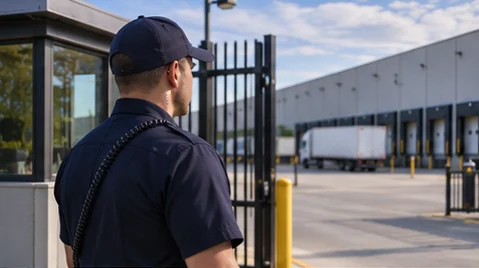
Hypothetical Example
A customer reports a high-value shortage after transfer to another provider. Preserve agreed custody timestamps and separate the potential property loss from any claim against the guard firm.
This example illustrates a review decision. It makes no conclusion about insurance or liability in any real claim.
What to Gather for the Review
Compile the information that matches this operation or decision.
- Goods
- limits at risk
- custody boundaries
- contracted duties
- vehicle ownership and use of outside carriers
Identify which entity or party owns each obligation and verify dates, versions and unresolved requests before the review.
Frequently Asked Questions
Whose policy insures the goods during transport, transfer or storage and what conditions apply?
Use the written agreement to distinguish escort, carrier, warehouse and owner obligations and the values each party must insure. Bring the relevant documents to your insurance discussion and identify any missing terms or facts before relying on a conclusion.
Does this type of facility require its own insurance program?
The answer depends on the actual services, the contract and the issued policy. A contractor may need to review coverage forms and endorsements before taking on duties different from those described to the insurer. The setting alone cannot establish eligibility or coverage.